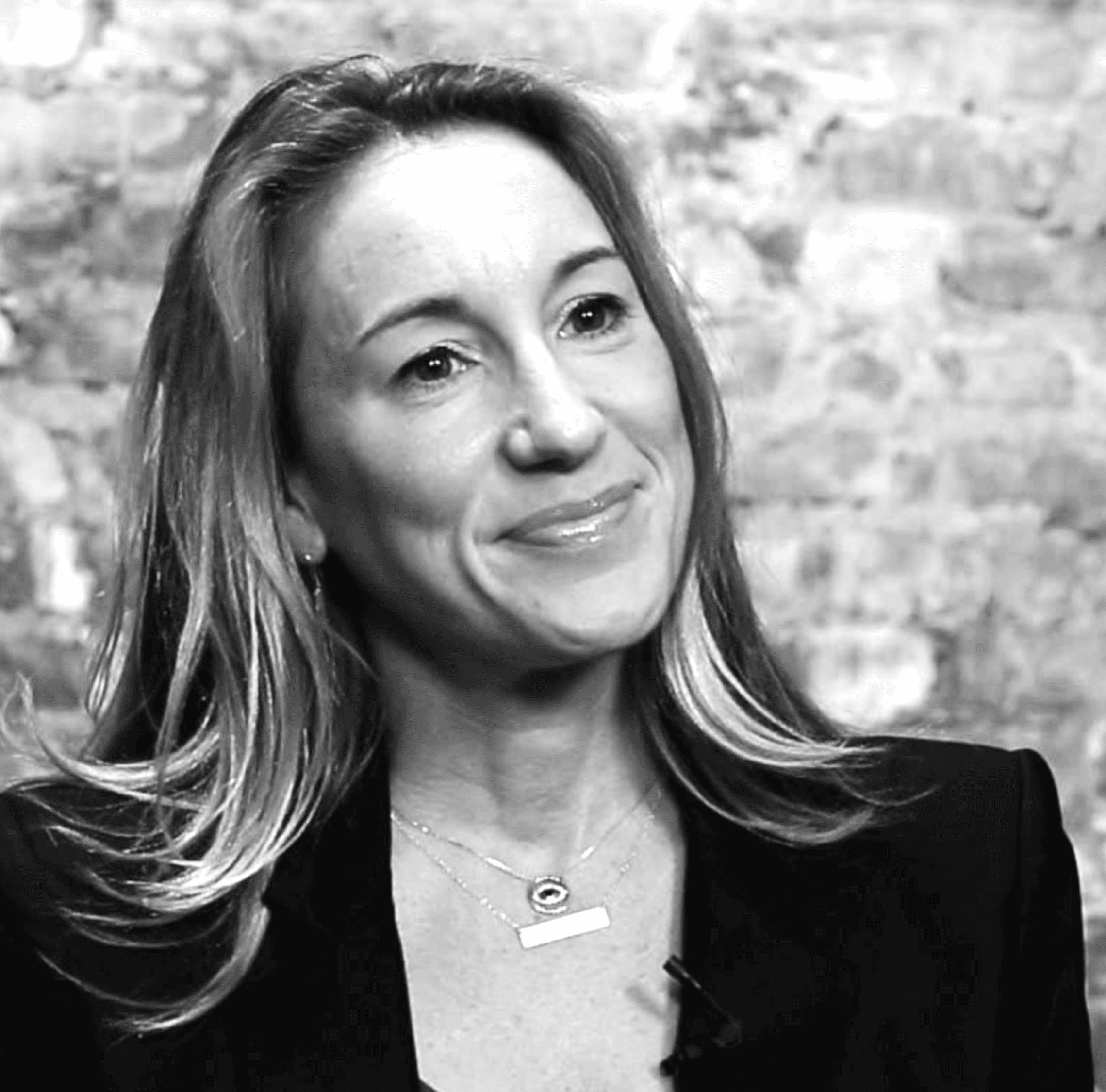
Ashley J. Swartz
Founder, Second Ascent
The Life I Built
For twenty years, I built things.
Companies. Teams. Products. Revenue. Reputations. I was the one in the room who made it happen. C-suite. Founder. Operator. The woman who could walk into chaos and come out with a strategy, a solution, a business that worked.
I was good at it. I was proud of it. And I was completely certain it was who I was.
I had all the markers of a life well-built. The title. The table. The track record. The kind of professional identity that felt solid enough to stand on.
And then the ground beneath me began to shift.
Built From The Rubble
It did not happen all at once. That would have been cleaner.
I lost my company and my financial security. I settled and took a job, and then lost it and a relationship on the same day. Through these three years, my body was doing things I did not recognize and refused to do the things it once had, my brain felt like it was running through fog and I couldn't shake this creeping, terrifying suspicion that the life I had so carefully constructed no longer fit the woman living inside it.
Menopause arrived without an invitation and without a road map. Sleep stopped. Weight shifted. Anxiety and insecurity appeared in a woman who had always been certain of herself. I started asking my doctor questions and getting shrugs. I started Googling at 3am.
And underneath all of it, the question I could not quiet:
Is this it? Is this all I was building toward? Is this a life that fulfills me?
I was not falling apart. But I was not fine either. I was somewhere in between — exhausted, clear-eyed, and becoming undeniable to myself.
What Is True For Me Now?
That question started everything.
Not what does the world need from me or what am I supposed to do next. Those were the questions I had been trained to ask. They had gotten me very far. And they had also kept me very busy being useful to everyone except myself.
The question that cracked me open was simpler and more terrifying:
What is true for me now?
I did not have an answer. But I could not stop asking it.
I started talking to women. Friends, strangers, former colleagues, women I met in yoga studios and boardrooms and airport lounges. And I kept hearing the same thing, said a thousand different ways:
Something is happening to me and I don't have language for it.
But every lived experience was unique. No woman's journey was identical.
The only absolute truth I discovered was that I was not alone. Not even close.
I Went Looking For The Truth
I wanted data. Not an anecdote. Not the wellness industry's version. The real, unfiltered, inconvenient, often extraordinary truth about what women in midlife are actually experiencing.
And I was absolutely done hearing that aging was a flaw. That I was too much of some things, too little of others. I wanted truth, not opportunistic profiting from my struggle.
So I went looking for the truth myself.
I built a research study. I surveyed and interviewed more than 150 women over three months. I conducted in-depth interviews. I asked questions the culture does not usually ask women in midlife — about their bodies, their ambition, their grief, their rage, their desire, their joy, the things they are no longer willing to tolerate and the things for which they crave and hunger.
What I found was not what I expected.
Yes, women are exhausted. Yes, the medical system is failing them. Yes, the cultural script is too small and too cruel.
But the strongest signal in the entire dataset was not decline.
It was reclamation.
85.4% of women reported less tolerance for what no longer serves them. The most widely endorsed positive shift was not joy or confidence or reinvention. It was refusal. Women are becoming less willing to abandon themselves.
That is not a crisis. That is an awakening.
A Sanctuary, Not Another Program
I did not want to build a course. I did not want to build a coaching program or a wellness brand or another place where women are told how to optimize themselves.
I wanted to build a sanctuary.
A place where women can come as they are, in the middle of the mess, at the threshold of something new, not sure what comes next, and find community, truth, and the kind of support that actually holds them.
Second Ascent is structured around five pillars that mirror the journey the women in my research described:
Returning to ourselves.
Seeing clearly who we are and have become.
Choosing in alignment with that truth.
Naming what is true for us.
Living fully in our truth.
We Are Not Done
Here is what I know from the research, from my own life, and from every conversation I have had with women in this season:
We are not falling apart. We are becoming less willing to abandon ourselves.
And that shift — that refusal, that reclamation — is one of the most powerful forces I have ever encountered.
Our culture tells women in midlife to be quiet. To be grateful. To manage their symptoms discreetly and not take up too much space and definitely not want too much at this stage of the game. Or to expect anything in return for what they have given to others over the last thirty years.
We are done with that.
Second Ascent exists for the woman who read the research and felt something exhale inside her. Who knows something true is on the other side of this. Who is ready to stop performing fine and start discovering what her life actually looks like when she stops abandoning herself.
That woman deserves a community. She deserves a sanctuary. She deserves a second ascent.
I built it for her.
Because I am her.
In sisterhood and with gratitude,
Ashley J. Swartz
Founder, Second Ascent